How to Train Workers for Safe Operation of Welding Machines?

Time:2026-06-10 Author:Henry
0%

In the welding industry, safety training is paramount. Welding equipment operates at high temperatures and poses numerous hazards. According to the Occupational Safety and Health Administration (OSHA), improper training can lead to accidents resulting in serious injuries. Therefore, understanding "How to train workers to operate automatic welding machines safely" is crucial.

Statistics reveal that around 50,000 injuries occur annually in welding and cutting operations. These incidents highlight the urgent need for effective training programs. Organizations like the American Welding Society (AWS) emphasize hands-on training combined with theoretical knowledge. Workers should not only learn about machine operation but also about potential risks. Reflecting on past accidents can guide better training strategies.

Experts recommend regular assessments and safety drills to reinforce workers' skills. Addressing common issues, such as inadequate supervision or lack of resources, can improve training outcomes. This approach ensures that workers are equipped to handle equipment safely and efficiently. Moreover, fostering a safety-first culture promotes accountability and vigilance among employees.
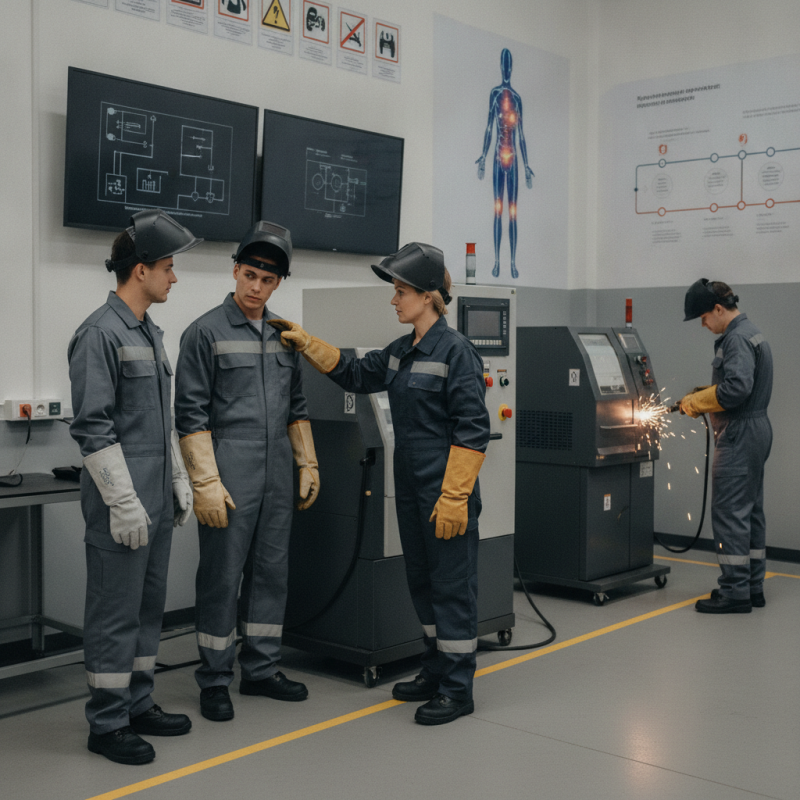
How to Train Workers for Safe Operation of Welding Machines?

Understanding the Basics of Welding Machine Safety

Welding machines are powerful tools essential for various industries. However, ensuring safety during their operation is crucial. Understanding the basic safety protocols can significantly reduce the risk of accidents. Proper training can empower workers to handle these machines confidently.

When training workers, focus on key safety practices. Encourage them to wear appropriate protective gear, including helmets and gloves. Regularly remind them about the importance of maintaining a clean workspace. A tidy area minimizes hazards and keeps distractions to a minimum.

Tips: Always check equipment before use. Look for any signs of damage or malfunction. Instruct workers on how to identify potential hazards, such as gas leaks or electrical issues. Provide hands-on training that simulates real-life scenarios. This practice will enhance their response to emergencies.

Welding practices may vary, but safety should always be the priority. Encourage open discussions about safety concerns. Workers should feel comfortable sharing their experiences and suggestions. This collaboration fosters a safe learning environment while improving overall operational safety.

Identifying Hazards Associated with Welding Operations

Welding operations come with a variety of hazards that can pose serious risks to workers. Understanding these dangers is essential for cultivating a safe working environment. According to the American Welders Society, more than 50% of welding-related injuries result from improper equipment handling or lack of training. Visualizing the workplace, think of fumes, sparks, and intense heat. These elements demand extensive precautions.

Common hazards include exposure to hazardous fumes and gases. Using welding machines generates harmful pollutants, which workers inhale. The Occupational Safety and Health Administration (OSHA) reports that long-term exposure can lead to respiratory diseases. Regular air quality assessments are crucial. Implementing adequate ventilation systems can significantly mitigate these risks. Additionally, burns from sparks and spatter are frequent injuries in welding. Proper personal protective equipment (PPE) is vital for prevention.

Ignoring these risks can lead to dire consequences. Training programs that focus on hazard recognition are necessary for safety. A recent study indicated that workplaces with robust safety training have 50% fewer incidents. Conducting hands-on training can bolster workers' confidence and competence. Safety must be a shared responsibility. Reflection on past incidents can guide future training efforts, making continual improvement an achievable goal.

Developing a Comprehensive Training Program for Workers

Training workers for the safe operation of welding machines demands a well-crafted program. This program should encompass theory, practical skills, and safety protocols. A comprehensive approach ensures workers understand the risks and responsibilities associated with welding tasks.

Hands-on demonstrations are vital. Workers should practice under supervision to reinforce their skills. Additionally, using simulations can help them experience potential hazards without real-world repercussions. Regular assessments can gauge their understanding and readiness.

Tips:

  • Incorporate real-life scenarios. Discuss past incidents to highlight the importance of safety protocols.
  • Create a feedback loop. Workers should be encouraged to express concerns or ask questions.
  • Refresh training periodically. Welding technology evolves, and so should the training methods.

Implementing Hands-On Training and Simulation Exercises

Hands-on training is essential for ensuring workers operate welding machines safely. Unlike theoretical instruction, hands-on experience lets workers interact with real equipment. They develop muscle memory and confidence. This practical approach helps them recognize hazards more effectively. Safety drills can mimic potential scenarios. Workers learn to react appropriately in high-pressure situations.

Simulation exercises enhance this training by creating realistic environments. These simulations replicate welding conditions without actual hazards. Trainees can practice techniques and troubleshoot issues safely. This method allows for immediate feedback. Mistakes can be reviewed and learned from. Workers gain critical insights into safety procedures, which boosts their confidence in real-world operations.

Despite the benefits, challenges exist in implementing such training programs. Not all facilities have access to updated simulators or equipment. Instructors must be well-trained themselves to offer effective guidance. Workers may feel overwhelmed at first, needing time to adjust to new techniques. Regular feedback sessions can help address these concerns and improve the training process. Continuous evaluation is crucial for the training's success.

Evaluating and Reinforcing Safe Operating Practices Regularly

Regular evaluation and reinforcement of safe operating practices are crucial in welding operations. According to a 2021 industry report, 60% of welding accidents stem from improper training or lack of safety protocols. Regular assessments can identify gaps in knowledge and training, helping ensure cleaner compliance with safety standards. Workers often forget safety procedures under pressure, highlighting the need for constant refreshers and practical drills.

One effective approach is implementing routine training sessions. These should be engaging and hands-on, allowing workers to practice emergency responses. Identifying unsafe behaviors early reduces accidents significantly. In a survey, companies that performed monthly evaluations reported a 30% decline in welding-related incidents. This illustrates the positive impact of continuous education and monitoring in fostering a safety-first culture.

However, not all training programs yield the same results. Some programs may lack adequate depth or focus, leaving workers ill-prepared. It's essential to regularly review and update training materials based on recent safety data. Encouraging feedback from workers can also lead to improvement. Understanding their experiences on the job can guide necessary adjustments. Without regular evaluation and refinement of training practices, organizations may overlook safety threats.

FAQS

: Why is hands-on training important for welding workers?

: It helps workers operate machines safely and develop muscle memory.

How do simulation exercises contribute to training?

They create realistic environments for practice without real hazards.

What challenges exist in implementing hands-on training?

Some facilities lack updated equipment, and instructors must be well-trained.

How can regular evaluations improve safety practices?

They identify knowledge gaps and reinforce compliance with safety standards.

What percentage of welding accidents are due to improper training?

About 60% of welding accidents stem from inadequate training or protocols.

How often should training sessions be conducted?

Routine sessions should be held regularly to refresh skills and practices.

What impact do monthly evaluations have on safety incidents?

Companies reported a 30% decrease in welding-related accidents with monthly evaluations.

What can be done if a training program lacks effectiveness?

Regularly review and update training materials based on safety data and feedback.

Why do workers forget safety procedures under pressure?

Stress can impede memory, emphasizing the need for constant refreshers.

How can feedback from workers improve safety training?

Their experiences can guide necessary adjustments for better training and safety.

Conclusion

Training workers to operate automatic welding machines safely is critical for maintaining a secure work environment. First, it's essential to understand the basics of welding machine safety, including proper usage and personal protective equipment. Identifying potential hazards associated with welding operations plays a vital role in preparing workers for safe practices.

Developing a comprehensive training program is the next step, ensuring that workers are well-informed about the dangers they may encounter. Incorporating hands-on training and simulation exercises enhances their learning experience, allowing them to practice handling real-life scenarios safely. Finally, regular evaluation and reinforcement of safe operating practices are necessary to cultivate a culture of safety and ensure that workers remain vigilant and knowledgeable about the operations of welding machines. Through these methods, the objective of "How to train workers to operate automatic welding machines safely" can be effectively achieved.

Henry

Henry

Henry is a dedicated marketing professional with a profound expertise in the company's offerings. With years of experience in the industry, he possesses an impressive understanding of the market dynamics and consumer behaviors that drive success. Henry is committed to sharing his insights through......