Best Tips for Choosing Welding Equipment for Custom Products?

Time:2026-08-18 Author:Oliver
0%

Choosing the right welding equipment for custom products can be challenging. It requires both expertise and a keen understanding of the specific requirements for non-standard products. Knowing how to select welding equipment for non-standard customized products is crucial for quality and efficiency.

Firstly, consider the materials involved in your project. Different materials require specific welding techniques and equipment. Be aware of their thickness and type. This factor directly impacts the welding process. Understanding your project’s scale is equally important. Larger projects may necessitate industrial-grade equipment, while smaller tasks can use handheld tools.

Additionally, reflect on the expertise available. Not all teams have the same level of proficiency with various welding techniques. Adjust the equipment selection based on what your team can handle. In this selection process, it's also essential to evaluate the cost versus quality. Cheaper equipment might seem appealing but can lead to issues down the line. Take the time to research different options and read reviews to ensure reliability.
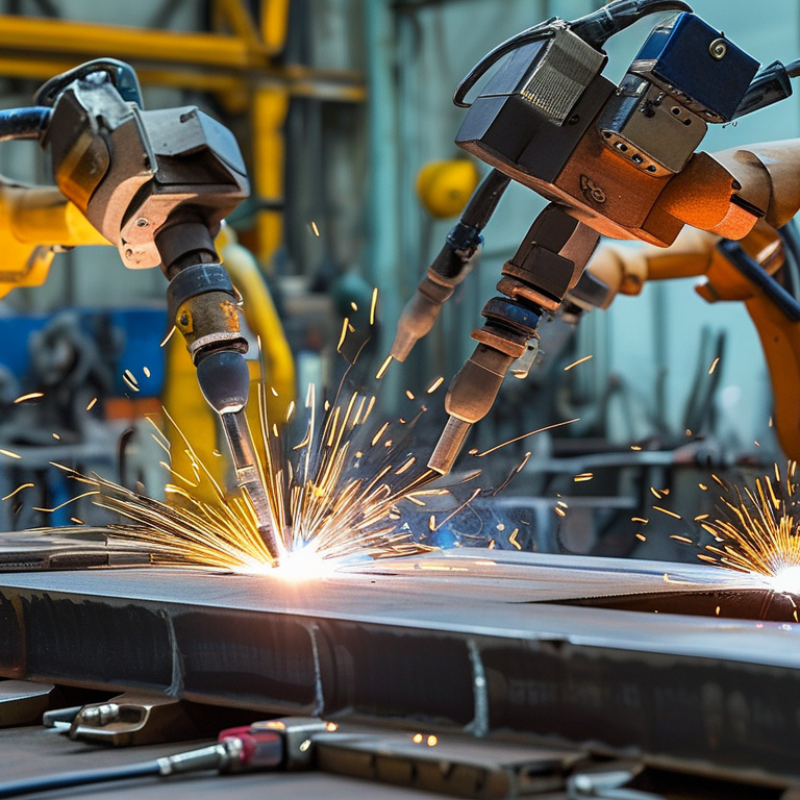
Best Tips for Choosing Welding Equipment for Custom Products?

Understanding Welding Processes and Their Applications

Welding processes are vital for custom product development. Understanding these methods is essential before buying equipment. Each welding technique serves distinct applications, from fusion welding to resistance welding. Selecting the right process impacts the strength and durability of the final product.

MIG welding is popular for its speed and ease. It works well for thin materials but may not provide the best aesthetic finish. TIG welding offers precision and clean welds, making it suitable for delicate projects, but it requires more skill and time. Stick welding is versatile and portable but can create rougher welds and slag issues.

Evaluating project needs is crucial. Reflect on the materials you’ll use and the desired final qualities. A common mistake is underestimating the importance of weld quality. New welders might overlook the significance of practice and setting adjustments. This reflection leads to improved craftsmanship and ultimately better custom products.

Identifying Your Project Requirements and Specifications

When selecting welding equipment for custom products, understanding your project requirements is crucial. Knowing the material type and thickness influences the choice of welding processes. For instance, carbon steel typically requires different methods than aluminum or stainless steel. According to the American Welding Society, nearly 50% of fabrication shops prioritize material compatibility when choosing welding equipment. Custom projects often demand precision; hence, investing in high-quality tools can lead to better outcomes.

Consider the scale of your project. Small-scale tasks may benefit from portable welding machinery, while larger operations might require more robust systems. The Welding Equipment Manufacturers Committee suggests that production volumes directly inform equipment decisions. A tip: always assess the current and future workload. This foresight can save costs and prevent the need for future upgrades.

Lastly, ensure you understand safety specifications. Compliance with safety standards can significantly impact project success. Equipment should meet both industry guidelines and specific project needs. Emphasizing safety ensures a smoother workflow and reduces potential risks. Remember, selecting the right welding equipment is not merely a choice—it's essential for the integrity of custom products. Be thoughtful and informed in your approach.

Evaluating Different Types of Welding Equipment

When evaluating different types of welding equipment, consider the specific needs of your projects. Different welding processes, such as MIG, TIG, and stick welding, cater to various materials and production requirements. For instance, MIG welding is often preferred for its speed and efficiency. In contrast, TIG welding offers precision, especially for thin materials.

Think about the material you will be working with. For stainless steel, TIG welding might yield the best results. On the other hand, if working with steel or aluminum, MIG could provide a better balance of speed and strength. Each method has its unique advantages and drawbacks.

One must not overlook the importance of portability and ease of use. Some welding machines are bulkier, which can hinder mobility. Weigh the benefits of performance against convenience. Also, reflect on safety features. While new equipment often comes with great technology, sometimes these features can complicate simple tasks. Your experience level should guide your choices. Always ask yourself if the equipment matches your skill set and project complexity.

Comparing Features, Cost, and Brand Reliability

When selecting welding equipment for custom products, comparing features, cost, and brand reliability is crucial. Studies show that nearly 40% of fabrication failures stem from choosing the wrong equipment. Understanding the specific features that suit your project can make a significant difference. Look for machines with adjustable settings for various materials. This promotes versatility in your welding tasks.

Cost can be a defining factor as well. According to recent industry reports, high-quality equipment can start at $500 and go up significantly. However, investing in reliable equipment saves money in the long run. Cheaper models tend to fail more often, resulting in additional costs for repairs and replacements.

Tip: Always review customer feedback and expert opinions before a purchase. Brand reliability often indicates the lifespan of the equipment. Some brands consistently rank higher in performance and user satisfaction. Seek out products that have been tested under rigorous conditions. This can help avoid future regrets over poor choices. Never overlook warranty options as they offer a layer of security.

Maintenance and Safety Considerations for Welding Equipment

Proper maintenance and safety practices are crucial for welding equipment longevity and performance. Regularly inspected and cleaned machines can prevent malfunctions and costly downtime. According to the American Welding Society, 60% of equipment failures can be traced back to inadequate maintenance. Keeping equipment in peak condition ensures optimal performance and reduces safety hazards.

Safety considerations should never be overlooked. Personal protective equipment (PPE) is essential in every welding environment. The Occupational Safety and Health Administration (OSHA) reported that improper use of PPE contributes to over 20,000 workplace injuries annually in the welding industry. Welders must don appropriate gloves, masks, and clothing to shield against harmful fumes and intense heat.

Lastly, reflective practices can enhance safety measures. When workers share their experiences regarding close calls or accidents, it helps identify potential risks. Reflecting on past issues leads to safer work practices. Creating a culture of safety can empower teams to be more vigilant. Continuous learning and improvement are key factors in reducing accidents and protecting workers.

FAQS

: What should I consider when evaluating welding equipment?

: Consider your specific project needs, material types, and the welding method. Each method has distinct advantages and drawbacks.

What is the difference between MIG and TIG welding?

MIG welding is faster and often used for thick materials. TIG welding offers precision, especially for thin materials.

How important is portability in welding equipment?

Portability matters for on-site work. Bulky machines can hinder mobility, so weigh performance against convenience.

Why is maintenance crucial for welding equipment?

Regular maintenance prevents malfunctions. About 60% of equipment failures stem from inadequate upkeep, impacting performance and safety.

What safety measures must be taken when welding?

Use personal protective equipment (PPE). This includes gloves, masks, and proper clothing to protect against heat and fumes.

How can I ensure I choose reliable welding equipment?

Compare features, costs, and review customer feedback. Look for machines with adjustable settings that suit various materials.

Why should I reflect on past welding experiences?

Reflecting on past close calls can improve safety practices. Sharing experiences helps identify risks and prevents future accidents.

Is the initial cost of welding equipment important?

Yes, investing in quality can save money long-term. Cheaper models may fail more often, leading to repair costs.

How can I find trustworthy brands?

Research brand reliability through expert opinions and user reviews. Look for products tested under tough conditions.

What role does warranty play in purchasing decisions?

Warranties provide security. They can protect against poor choices and offer peace of mind for your investment.

Conclusion

Choosing the right welding equipment for non-standard customized products is crucial to ensure quality and efficiency in your projects. Start by understanding various welding processes and their specific applications to determine which method best suits your needs. Next, clearly outline your project requirements and specifications, including material types, thickness, and the intended use of the final product.

Once you have a clear vision, evaluate different types of welding equipment available on the market. Consider essential features such as power output, ease of use, and versatility, while also reviewing costs and brand reliability. Finally, don’t overlook maintenance and safety considerations, as these factors will significantly influence the longevity and performance of your equipment. By following these tips on how to select welding equipment for non-standard customized products, you'll be equipped to make informed decisions that enhance your welding operations.

Oliver

Oliver

Oliver is a seasoned marketing professional with a wealth of expertise in driving brand awareness and engagement. With a deep understanding of our company's product offerings, he consistently delivers high-quality content that enriches our professional blog. His insights not only shed light on......